A heart attack often feels sudden, but the risk usually builds over years. The good news is that many of the biggest drivers are things you can change. We can lower risk by improving daily habits, tracking key health numbers, and getting the right screenings before symptoms show up.
This guide breaks down how to prevent heart attack with clear, realistic steps you can start this week.
What Is a Heart Attack?
A heart attack happens when blood flow to part of the heart muscle gets blocked, usually by plaque buildup in the coronary arteries. Without enough blood and oxygen, heart muscle can be damaged quickly.
Preventing a heart attack is mostly about reducing plaque buildup, preventing clots, and keeping the heart strong.
The Biggest Risk Factors to Know
Some risk factors are out of your control, but many are not.
Risk factors you cannot change
- Age
- Family history of early heart disease
- Genetics
Risk factors you can improve
- High blood pressure
- High LDL cholesterol and high triglycerides
- Diabetes or prediabetes
- Smoking or vaping nicotine
- Excess weight, especially around the waist
- Low activity level
- Poor sleep
- High stress and burnout
- Unhealthy diet patterns
You do not need to “fix everything” at once. Even small, steady changes can move the needle.
How to Prevent Heart Attack With Daily Habits That Add Up
Eat for a Healthier Heart Most Days
We do not need a perfect diet. We need a repeatable one.
- Build meals around vegetables, beans, lentils, fruit, and whole grains
- Choose lean proteins and plant proteins more often
- Use healthier fats like olive oil, nuts, and avocado in reasonable portions
- Cut back on ultra processed foods that are heavy on sodium, added sugar, and refined carbs
- Watch liquid calories and limit sugary drinks
A simple approach: at lunch and dinner, aim for half your plate to be non starchy vegetables.
Move Your Body Daily
Exercise improves blood pressure, cholesterol, blood sugar, stress, and weight. It also strengthens the heart.
- Start with brisk walking if you are getting back into it
- Add 2 days a week of basic strength training
- Break up long sitting with short movement breaks
If you have not exercised in a while or you get chest pressure, unusual shortness of breath, dizziness, or fainting, talk with a clinician before pushing intensity.
Sleep Like It Matters (Because It Does)
Poor sleep raises blood pressure, affects hunger hormones, and can worsen insulin resistance.
- Aim for a consistent sleep schedule
- Cut caffeine late in the day
- Reduce alcohol close to bedtime
- Ask about snoring, choking, or gasping at night, since sleep apnea raises heart risk
Manage Stress Before It Manages You
Chronic stress can raise blood pressure and make healthy habits harder to stick to.
A few practical options:
- 5 to 10 minutes of slow breathing daily
- A short walk after meals
- Strength training, yoga, or mobility work
- Boundaries around work hours and screen time
- Therapy or coaching when stress feels stuck
Know Your Numbers: The Heart Attack Prevention Checklist
If you want a simple scoreboard for heart attack prevention, track these:
- Blood pressure
- Cholesterol (especially LDL)
- Blood sugar (A1C or fasting glucose)
- Weight and waist circumference
- Smoking status
- Exercise minutes per week
- Sleep quality
If you do not know your numbers, you cannot manage your risk.
How to Prevent Heart Attack With the Right Screenings
Many heart problems develop quietly. Screening can catch risk early, before a heart attack or stroke is the first sign.
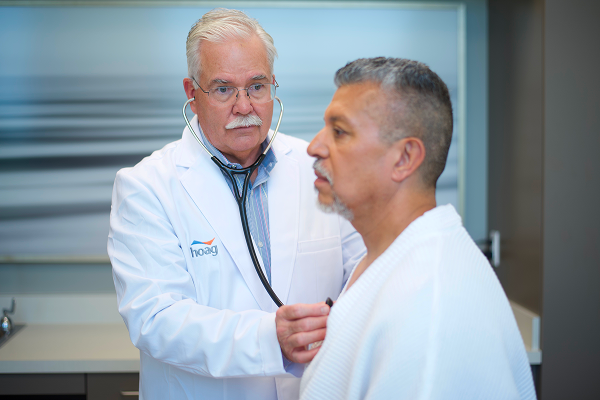
A comprehensive cardiovascular screening may include tests such as a resting and stress echocardiogram, treadmill stress test, carotid ultrasound, and abdominal aorta ultrasound.
Getting a cardiovascular screening annually during an executive physical exam can help you stay proactive, even if you feel fine.
Screenings can also motivate change because they show what is happening inside the body, not just what you feel day to day.
Medications: When Lifestyle Is Not Enough
Lifestyle changes are powerful, but some people also need medication to reduce risk, especially with:
- High blood pressure
- High LDL cholesterol
- Diabetes
- Known plaque or heart disease risk
If a clinician recommends medication, think of it as risk reduction, not failure. Many people use both lifestyle and medication to protect their future.
Warning Signs: When to Treat It Like an Emergency
Call 911 right away if you think you might be having a heart attack. Symptoms can include:
- Chest pressure, squeezing, fullness, or pain
- Pain that spreads to the arm, back, neck, jaw, or stomach
- Shortness of breath
- Cold sweat, nausea, or lightheadedness
- Unusual fatigue, especially in women
Do not drive yourself if you feel these symptoms.
Frequently Asked Questions About Preventing a Heart Attack
Can you prevent a heart attack completely?
You cannot control every factor, but you can significantly lower your risk by improving habits, controlling blood pressure and cholesterol, not smoking, and getting appropriate screenings.
What is the fastest way to reduce heart attack risk?
If you want the highest impact steps, start here:
- Stop smoking
- Control blood pressure
- Improve LDL cholesterol
- Walk daily and build consistency
- Improve sleep
- Reduce ultra processed foods and excess sodium
When should you get a cardiovascular screening?
Many people benefit from regular screening as part of preventive care. For busy professionals, annual cardiovascular screening during an executive physical can be a proactive approach.
The Bottom Line
The best way to prevent a heart attack is to treat heart health like a long game. We build a strong base with food, movement, sleep, and stress management, then we back it up with the right lab work and cardiovascular screening so problems do not stay hidden.
If you want a clearer picture of your current risk and a plan you can actually follow, Hoag Executive Health can help with an executive physical and comprehensive cardiovascular screening.
Medical note: This article is for general education and is not medical advice. If you have chest pain, severe shortness of breath, fainting, or new concerning symptoms, seek urgent medical care.